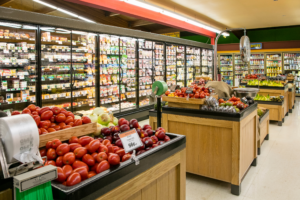
 When you think about spoiled or contaminated inventory, food products may be the first thing that comes to mind. But many businesses rely on perishable products that can be damaged by temperature changes, equipment failures or other covered events.
Grocery stores, bakeries, food processors and cold-storage facilities are obvious examples. But businesses such as pharmacies, florists, cigar shops and medical offices may also have valuable perishable inventory.
Perishables are products that require controlled conditions, such as specific temperatures or humidity levels, to maintain their quality, safety or effectiveness. This can include food, beverages, medications, plants, flowers and other temperature-sensitive products.
For businesses that depend on this type of inventory, spoilage and contamination coverage may be an important part of an overall insurance program.
What Does Spoilage and Contamination Insurance Cover?
Spoilage and contamination coverage can help protect against financial losses when perishable inventory is damaged by a covered event outlined in the policy.
Coverage varies by insurer and policy, but common causes of loss can include:
- Extended power outages
- Equipment breakdowns
- Refrigeration system failures
- Changes in temperature or humidity
- Refrigerant or other substances leaking onto inventory
Depending on the policy, coverage may help pay for damaged inventory and, in some circumstances, related loss of income or other expenses.
Some policies may also provide coverage following a contamination event that results in a government-mandated shutdown. Depending on the policy, this could include expenses such as:
- Cleaning or decontaminating equipment
- Certain medical expenses for exposed employees or others
- Lost income during a covered shutdown
- Certain professional services or advertising expenses
It is important to understand that spoilage and contamination coverage is not the same as product liability or product contamination coverage. For example, contamination that occurs during a manufacturing process may require different coverage than inventory that becomes contaminated while being stored.
The specific causes of loss, exclusions, limits and deductibles will depend on the policy.
Not Every Power Outage Is Covered
Power interruption is one of the most common concerns for businesses with perishable inventory, but a policy may place specific conditions on when a power outage is considered a covered loss.
For example, coverage may not apply when:
- Equipment is accidentally disconnected from its power source.
- Electricity is intentionally turned off during construction or repairs.
- Power is insufficient to operate the business’s equipment.
- Electricity is shut off because of an unpaid utility bill.
- The interruption results from certain government actions or fuel shortages.
These details can be easy to overlook until a claim occurs. Understanding how your policy defines a covered power interruption can help you identify potential gaps before they become a problem.
Where Does This Coverage Fit?
Spoilage and contamination coverage may be available as part of a Businessowners Policy (BOP), commercial property policy or equipment breakdown coverage. The way coverage applies can vary significantly.
For example, equipment breakdown coverage may provide protection for spoiled inventory when a covered mechanical or electrical breakdown causes the loss. Simply having equipment breakdown insurance does not necessarily mean every type of spoilage loss is covered.
Businesses should also consider how spoilage and contamination coverage works alongside other policies, such as:
- Commercial property insurance
- Business interruption coverage
- Equipment breakdown insurance
- Product liability coverage
- Foodborne illness coverage, where applicable
The goal is to have complementary coverage without unnecessary duplication.
Choosing the Right Coverage Limits
The value of perishable inventory can fluctuate throughout the year, making it important to evaluate coverage limits carefully.
Consider the potential financial impact if a single event caused you to lose a significant portion—or all—of your perishable inventory. Inventory records can help determine an appropriate coverage amount and provide useful documentation if a claim occurs.
Some policies have separate limits for individual occurrences and the aggregate, which is the maximum amount available for covered losses during the policy period.
You may also have the option to insure damaged inventory based on its selling price rather than simply its cost. This can be particularly relevant for businesses that add value through preparation, recipes, presentation, design or other services.
Maintenance Requirements Matter
Some spoilage and contamination policies require businesses to maintain refrigeration or equipment service agreements. Others may offer premium credits for having an approved maintenance agreement in place.
If your policy has a maintenance requirement, it is important to keep the agreement active and maintain records of regular service. A lapse in the agreement could affect coverage, depending on the policy terms.
Regular equipment maintenance can also be an important risk management practice for businesses that rely on refrigeration or other temperature-controlled systems.
Review Your Coverage Before You Need It
Perishable inventory can represent a significant investment, and a loss can affect more than the value of the products themselves. Depending on the circumstances, a business may also face lost income, cleanup expenses or other costs.
Spoilage and contamination coverage can be an important consideration for businesses with temperature-sensitive or otherwise perishable inventory. The right approach depends on your industry, inventory values, equipment, operations and existing insurance program.
At Bender Insurance Solutions, we can help you review how spoilage and contamination coverage fits with your broader commercial insurance program, identify potential gaps and make sure your coverage limits align with your business’s exposures.
This article is intended for informational purposes only and should not be interpreted as insurance, legal, or risk management advice.